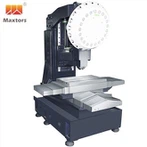
In machining centers, tool collision is a common problem that can cause significant damage to the tools and the machine itself. Tool collision occurs when, during the machining process, the tool approaches or contacts a solid object such as the workpiece, fixture, or machine itself. Tool collision can be caused by various factors, and it is important to understand the causes and solutions to prevent tool collision and ensure a smooth machining process.
Causes of tool collision
1. Programming errors: Tool collision can occur due to programming errors such as incorrect tool selection, tool path, cutter compensation, or feed rate. These errors can cause the tool to come in contact with the workpiece or other solid objects.
2. Machine mechanical issues: Wear and tear in the machine components such as the spindle, bearings, or ballscrews can cause the tool to lose its position accuracy, leading to tool collision.
3. Workpiece/component design: The design of the workpiece or the component being machined can contribute to tool collision. The workpiece design can have features such as undercuts, overhangs or blind holes that can cause the tool to come into contact with the component.
4. Operator errors: Human errors such as incorrect tool changes, improper setup, or loading errors can also lead to tool collision.
Solutions to tool collision
1. Solid modeling and simulation: Solid modeling and simulation software can be used to create a 3D model of the part, tool, and machine to simulate and detect tool-path errors, collisions, or interference with the workpiece.
2. Toolpath verification: Tool path verification is a way of testing the machining process before the actual machining takes place. It checks the tool travel path, tool engagement, and other parameters to identify any potential tool collision problems.
3. Machine condition monitoring: Regular maintenance, inspection, and monitoring of machine components such as spindle, bearings, and ballscrews can reduce the likelihood of tool collision caused by mechanical issues.
4. Operator training: Proper training of the operator can help in preventing tool collision due to human errors. The operator should be trained to identify potential collision risks and take necessary precautions.
In conclusion, understanding the causes of tool collision and implementing appropriate measures can significantly reduce the possibility of tool collision. The use of solid modeling and simulation, tool path verification, machine condition monitoring, and proper operator training can ensure a smooth and efficient machining process while minimizing the risk of tool collision.