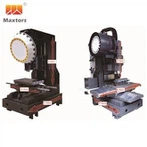
With the development of technology, CNC machine tools have become increasingly advanced and complicated. Though CNC machines have many benefits, they also face many problems, including broken components, malfunctioning software, and other issues that require immediate attention.
Thankfully, there are various methods of fault diagnosis that can help engineers and technicians identify and solve issues in CNC machines. Below, we explain seven such methods that can help accurately diagnose problems in CNC machine tools.
1. Visual Inspection
The first method to detect faults in CNC machines is by visually inspecting them. Regular visual inspections allow engineers to identify issues early. They can check for visible signs of damage, such as leaks, cracked seals, or loose connections.
2. Power On Self-Test (POST)
POST is built-in software that is installed in most CNC machines. It identifies and diagnoses problems before the system boots up. POST tests the CPU, RAM, and other critical components to ensure that they are in working condition.
3. Control System Software Test
The control system software is the brain of the CNC machine. It handles commands and code to control the spindle and axis movements. Engineers can test the control systems by simulating mechanical movements using virtual machines.
4. Electrical Testing
Electrical testing allows engineers to check the electrical system of the CNC machine, such as the voltage of the power supply, connection terminals, and cords. It is a useful method of identifying wiring and power problems that cause CNC failures.
5. Observe the Movement of Machine Parts
When there is a fault in the CNC machine, the malfunctioning parts often have unusual movements. Observing the machine parts' movements can help identify the cause of the fault, such as incorrectly adjusted tool offsets, worn ball bearings, or loose belts.
6. Parameter Settings
CNC machines use parameters to set up machine operation. Machine operators can adjust these settings to achieve different results. Incorrect parameter settings may cause faults in the machine, such as mismatched tool offsets or incorrect spindle speeds. Engineers can diagnose faults by carefully checking the machine's parameter settings.
7. Fault Recording System
Modern CNC machines come equipped with a fault recording system that stores fault information. This system divides faults into categories, such as mechanical, hydraulic, and electrical. Recording faults can help engineers to identify recurring problems and take necessary corrective steps.
In conclusion, CNC machines are an essential part of the manufacturing industry. Faults in CNC machines can lead to significant downtime and financial losses. To minimize such issues, the above fault diagnosis methods can help identify and correct faults in performance and efficiency, ensuring the machines are working optimally.