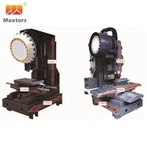
In recent years, the manufacturing industry has witnessed a rapid transformation from traditional mechanical systems to advanced computer-controlled systems, known as CNC (computer numerical control) machines. The process of converting ordinary machine tools into CNC machines has been gaining popularity due to a number of significant advantages. In this article, we will explore the main benefits of transforming ordinary machine tools into CNC and the impact it has on the manufacturing industry.
Accuracy and Precision
One of the main advantages of CNC machines is their ability to produce highly accurate and precise products. CNC machines operate on digital instructions, allowing them to produce precise cuts and shapes that are almost impossible to achieve using manual methods. This level of accuracy and precision translates into products that are of higher quality, conforming to tighter tolerances and specifications. CNC machines also reduce the amount of material wasted due to inaccurate cuts, increasing efficiency and profitability.
Improved Efficiency and Production Rate
CNC machines can operate continuously, 24/7, with minimal human intervention. This means that they can produce more products in a given timeframe compared to traditional machines. Additionally, the automation provided by CNC machines allows for continuous and consistent production. This reduces the need for manual labor, lowering production costs and increasing overall efficiency.
Flexibility
CNC machines are highly flexible and can easily adapt to changing production requirements. They can easily switch between different products or designs without requiring significant retooling. This makes it easier for manufacturers to respond to market demands and changes in customer preferences more easily and effectively.
Reduction of Human Error
CNC machines eliminate the possibility of human error in the production process. Traditional machining methods require manual input and monitoring, which increases the likelihood of errors occurring. CNC machines, on the other hand, operate on pre-programmed instructions, reducing the potential for human error.
Reduced Dependence on Skilled Labor
CNC machines have reduced the need for skilled labor in the manufacturing process. This is because the machines operate on pre-programmed instructions, reducing the complexity of the manufacturing process. This also means that new operators can be trained quickly and easily, reducing the time and cost associated with training.
Improved Workplace Safety
CNC machines have improved workplace safety by reducing the need for manual labor. Employees are no longer required to perform tasks that are physically demanding or potentially hazardous. This has resulted in fewer workplace accidents and improved employee safety.
In conclusion, the transformation of ordinary machine tools into CNC machines has had a significant impact on the manufacturing industry. The accuracy, precision, and efficiency of CNC machines have contributed to increased competitiveness and profitability for manufacturers. Additionally, the flexibility, reduction of human error, reduced dependence on skilled labor, and improved workplace safety have brought about positive changes in the industry. Overall, the adoption of CNC machines has become a necessity for manufacturers to remain competitive and meet the demands of their customers.